Every month, I visit shopping venues such as Tampa Mall and Michaels to buy fabrics and other sewing supplies. Last January, my 9-year-old niece Meesha came along to help me. She was curious to learn about different fabrics. We went to Walmart. I asked their staff about nap fabric. I wanted to sew some custom purses and pouches.
She asked me innocently, ‘Why do you need fabric that sleeps, Aunt?’ I laughed because she confused this term with napping, aka sleeping! I told her, “Well, the meaning of nap is different in sewing. A nap is the raised fuzzy surface on certain fabrics like velvet, fleece, faux, suede, fur, etc.”
If you are also confused about the nap in sewing, this article can clear your doubts! I have explained everything about what a nap is in sewing, its features, etc. I have also shared my top tips for these fabrics.
So, let us move ahead and learn more about them:
What Is Nap In Sewing?
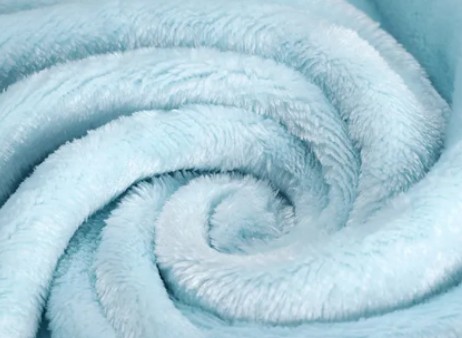
Have you ever touched a baby’s fur blanket? It’s soft, smooth, and plushy. You can feel it simply by touching. So, some people call it ‘felt cloth’.
Do you know? Nap was known as a pile fabric in the 15th century. Piles of clothes were layered, and the napped fabric loops were woven into these layers.
The best example of these fabrics is F.R.I.E.D.S. star Phoebe Buffay’s iconic orange faux-fur coat! Her character had a special zeal due to such a vibrant outfit!
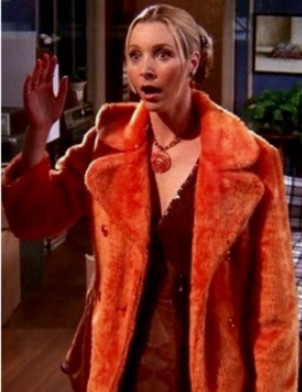
This was a peak fashion statement in the 90s, especially after the release of Season 5’s episode 14, “The One Where Everybody Finds Out.”
Phoebe’s synthetic faux fur coat had a one-way nap. Its shimmer and color shade were consistent throughout! It really suited her eccentric style!
How To Identify Napped Fabric?
The threads of napped fabrics move in one direction when you slide your palm on their surface. To check the napped fabric:
- Move your palm across the fabric surface.
- A nap fabric will feel smoother in one direction. It feels rougher when you slide your palm in the opposite direction.
- It also changes its color and shine. It looks lighter and shines in one direction. Vice versa, it looks darker and duller (non-shiny) in the opposite direction.
Here’s The List Of Fabrics That Have Nap:
Like fur, many other fabrics have a nap. I have enlisted them for you below:

Why Is The Nap Of The Fabric Important? Know Its Features:
1. Direction Of Nap:
Let’s say you have two pieces of fabric with a nap. How will you join them?
If you join them with a nap in the opposite direction, it looks very unpleasant.
If you want a polished look, keep the direction of nap threads in one direction. For example, you have a plush toy made from velvet or fur. It will look softer and shinier when you move your hand over it in one direction. It’s because all its pieces are joined with nap in the same direction.
2. Texture:
The texture also depends on how you join these pieces. In napped fabrics, the threads feel smooth in one direction and rough in the other direction. Try sliding your hand over the fabric to feel the texture.
Always join two pieces running threads in the same direction for the same texture.
3. Specific Way Of Cutting:
If there’s cotton fabric, you can flip the fabric to use for the remaining sewing. But this does not apply to napped fabric.
All fabric pieces that you need to sew must be cut from the same roll. So, nap fabric may need more yards than expected.
Plus, you need to pay attention to how you cut this fabric. Ensure you are cutting all pieces of this fabric in the same direction. This avoids a mismatch in these fabric panels when you stitch them together.
When there is a roll of such a fabric, I generally cut it downward at the same angle. This helps me to maintain consistency throughout the stitching process.
What will happen if you do not cut this fabric in a specific direction or angle?
Let’s say you are cutting a velvet fabric panel to sew an A-line dress.
If you don’t cut all pattern pieces the same way, this can happen: the front part of the dress can look darker or rougher than the back (or vice versa).
To avoid this shade and texture mismatch, cutting them in the same way is a MUST.
How To Cut Napped Fabric?
Check the thread direction. Find the direction where all the piles feel smoother. This is your ‘top’.
Use sharp scissors or a rotary cutter to cut these fabrics. It reduces fraying.
Align all pieces in your pattern uniformly with the nap. Use weights to hold these pieces together till you join them all. This avoids a mismatch in color, glaze, and feel after stitching all pieces together.
Keep the seam wider. This allows for stretching if required later.
How To Sew Fabrics With Nap?
I keep the following things in mind when I sew these types of fabrics:
Thread:
Use a cotton-wrapped polyester thread to stitch these fabrics. It is strong and flexible enough to sew the pile.
Needle:
Use needles of size 70/10 and 90/14. This totally depends on your fabric’s weight and type.
Your chosen needle should be sharp enough. It should penetrate the fabric without pulling or snagging the threads.
My Secret Hack:
I always test the thread and needle on a scrap of nap fabric. This avoids the big damage to the fabric that can happen when I sew it. After all, prevention is better than cure, right?
It’s Stitching Time:
Keep the stitch length slightly larger than regular. So, you can prevent puckered fabric later. It also gives a tidy appeal.
I usually use a walking foot to feed the fabric evenly while sewing. Never apply unnecessary pressure to the fabric when sewing it. Your machine’s foot will guide it naturally without any flaw.
I also prefer to topstitch these types of fabrics. It’s not only for decoration. But these stitches also add more strength to the seams.
Applications Of Napped Fabric:
The main reason behind using nap fabrics is:
Its aesthetics and rich feel!
These fabrics are popular because of the sheen, glaze, and warmth they provide! Let us see where they are most popularly used:
1. Apparel:
Of course! The fashion industry is incomplete without napped fabrics!

Want a glam look? Take nap fabrics into consideration! They are used to make custom gowns, pajamas, flannel shirts, loungewear, etc.
You may often find them in the linings of winter coats and caps. Children’s clothes, brushed denim, velvet dresses, and cotton knit are often also popular in this fabric!

Speaking of which, have you seen Zendaya at the Bulgari Mediterranea High Jewelry Event? In March 2026? She wore a beautiful custom black velvet mermaid gown by Richard Quinn.
That was a plush black velvet fabric. Apart from her charm, this outfit caught everyone’s attention due to its rich texture. Apparently, it absorbed more light, offering a premium matte look. All thanks to its nap!
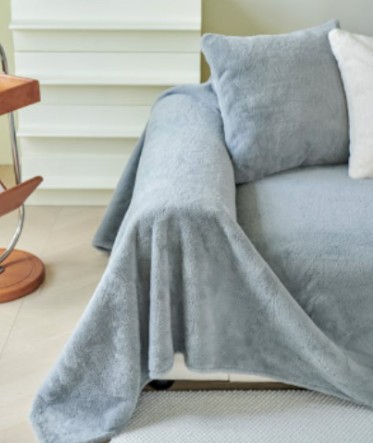
2. Home Decor:
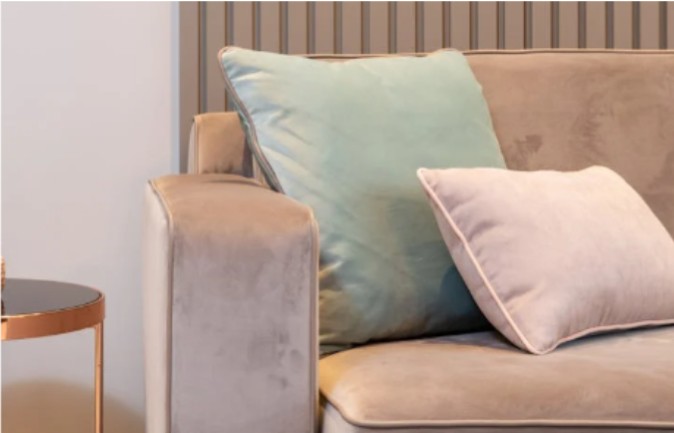
Whether it is upholstery or soft furnishing, napped fabric
For sofa and cushion covers, velvets, corduroy, etc., fit perfectly! In bedding, flannel, brushed cotton, and velvet are suitable. I prefer these fabrics for an elegant look in blankets, duvet covers, sheets, etc.

Faux fur, synthetic fur, and velvet are great choices for curtains, sofa throws, etc.
3. Stuffed Toys:
Who doesn’t love plushy toys!
3.1. Minky:
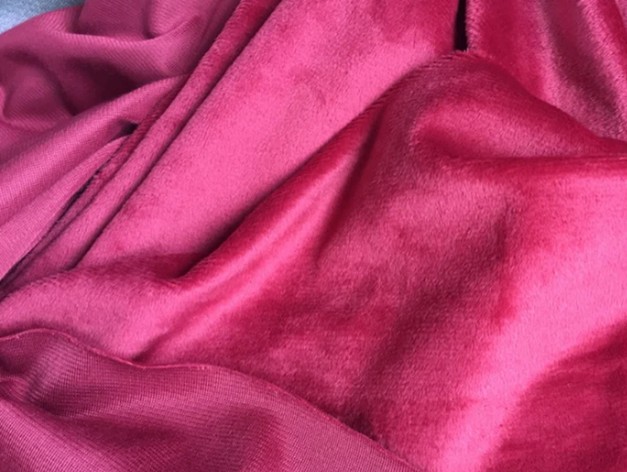
These toys have ‘Minky’ fabric, which gives a super soft, velvety, and plushy feel. It has a one-way nap.
Compared to fur, Minky fabric is denser, squishier, and shorter in texture and length.
Its texture provides a good sensory stimulus to babies and toddlers. It is slightly stretchable. But it does not lose its shape over time. That is why it is used to make stuffed toys.
Some famous fabrics used in these toys include fleece, velvet, fur, velboa, chenille, etc.
3.2. Fleece:

Fleece is more affordable than Minky. It is matte, soft, and fuzzy. You may find this fabric in kids’ pillows, car seat cushions, etc.
3.3. Velboa:
If you have kids at home, you will know how much they love their cuddly clothes or toys.
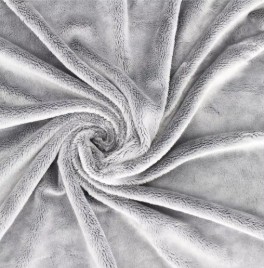
Kids love these fabrics because they have a soft, warm, and comfy feel. And, the secret this feel is the Velboa fabric.
Velboa has a very short pile. It is a microfiber plush fabric. Even some pet beds and puppet toys also have this fabric.
3.4. Chenille:

some plush toys with a caterpillar-like appeal in their fabric. This happens due to the Chenille fabric! It has a rib-like linear pattern in the nap.
It is tougher to sew than previous fabrics because it sheds at the edges after cutting.
You may also find chenille in sofa covers, cushions, dining chairs, etc.
How To Press A Napped Fabric?
The goal is to make a napped fabric look neat and pleasing, not to damage its threads.
If you apply high heat or pressure to these fabrics, you may end up squishing that pile.
Instead, You Can Do This To Press This Fabric:
1. Set your iron press at low heat. High heat leaves burnt spots or crushed creases on these fabrics.

2. Use a steam iron or steamer if possible. It’s gentler than a heating iron. In fabrics like velvet, the steam penetrates the pile threads. This action lifts the threads, giving them a fresh and neat look.
3. If you are using a regular iron: Keep a towel, muslin cloth, or plain cotton cloth between the napped fabric and the iron. So, you can avoid direct heat on the fabric.
(My secret hack: I keep the fabric’s seam facing downwards on a scrap piece of the same fabric. This is called a pile-up. It protects the main fabric’s surface from unwanted damage.)
4. Use the tip of the iron to flatten the seam and corners of the fabric.
5. Do not drag a heated iron harshly on the cloth’s surface. It will create patches and creases. Instead, move it gently, using a subtle patting motion across its surface.
6. Use a tailor’s ham to press the curved edges.
4 Alternate Ways That I Use To Press Napped Fabric:
1. Opt For Steaming:
Some of these fabrics are so delicate. Their threads can burn or leave patches due to extreme heat. So, I use steam instead of pressing.
I simply hold the iron above that fabric piece’s surface. I make sure that I don’t touch my press to it. The steam does its work!
2. Use A Heating Pad:
Instead of steaming or pressing, you can use a heating pad to flatten delicate napped fabrics, such as velvet, faux fur, etc.
This avoids direct contact of the fabric with high heat.
Gently dab the heating pad on this fabric. Go slow so you cover all the areas and corners. This is one of the best ways to press this fabric without damaging its delicate threads.
3. Use Fingers:
If you don’t want to use any heating press or steam, the best option is to use your fingers to flatten these fabrics.
For a large piece, move your palm on its surface. Dab it gently while doing this.
Let us say you have a blanket made of this fabric. To flatten the seams, use your fingers with light pressure.
Key Takeaways:
There are more than 20 types of fabrics that have a nap. The pile of threads in these fabrics is meant to enhance the look! Their unidirectional threads offer a soft, supple appeal.
Whether it is a faux-fur winter cap or a soft plush toy, these fabrics give a warm, snuggly feel!
You can easily choose this fabric by touching and feeling it. Always cut these fabrics in one direction to
Also, to maintain their finer look, you must press them once after sewing. No high heat, no harsh pressure. Just gentle patting! I feel steaming is a better and safer option for such fabrics. It prevents creases, burns, or patches.
If you feel scared to sew these fabrics as a beginner, it’s totally okay. I felt it too. You can do it. Just remember tips I shared and go for it!
Go slow, and practice more!
FAQs:
How To Find The Nap In The Fabric While Sewing?
It’s more about feeling than finding. Move your hand gently across the piece of fabric to feel the nap. If you feel that fabric gives a smoother feel, it is the ‘with nap’ direction. Vice versa, if the fabric gives a rougher feel, it is the ‘against nap’ direction.