I still remember stitching a stretchy skirt when I was 20. It took me 5 days to complete. I was doing it for the first time. I was so aggravated because I stitched it wrong 3 times. Finally, on the last day, I was overjoyed to see my efforts come true!
They say that if you learn to sew a stretchy fabric perfectly, you are almost a professional sewer!
Oh yes! I feel the same way, though! Because it’s challenging, especially for beginners. Sewing such fabric is like handling a toddler! Both need patience!
But once you learn how to sew stretchy fabric, your confidence will be one step higher to sew comfy clothes. In this article, you will learn about the top things you need for preparation, essential tips for sewing stretchy fabrics, etc. So, let us move ahead and learn more about it:
What Is A Stretchy Fabric?
A fabric that is knitted or woven and can be stretched in multiple ways is a ‘Stretchy fabric.’
Well, everyone can wear clothes made from this fabric. However, if you have an hourglass, apple, or apple-shaped body, you know its importance. Clothes made from this material highlight your curves without restricting natural movements.
Stretchy fabrics can be made from cotton, knits, jersey, fleece, or spandex.
How To Sew Stretchy Fabric?
I have given personal tips to guide you about sewing stretchy fabric.
1. Wash and Dry Fabric:
Yes. DO NOT EVER SKIP THIS STEP.
Wash the material before sewing. Let it dry on a flat surface for at least one day, so it retains its shape.
It prevents fabric from shrinking afterwards. So, you get perfect stitches without jamming.
Place your pattern on your fabric.
2. Prep The Fabric:
If edges curl, use spray starch and press them flat before cutting and sewing. Knitted jersey fabric is most likely to curl at the edges after cutting.
To avoid that stretch, use a starch spray to straighten it. Use a heated iron to press the fabric to make it flat for longer.
3. Cut Carefully:
Lay the fabric flat and place your pattern on it. Use pins or paperweights to keep the fabric in one place. If you face issues in using pins or paperweights, transfer the pattern shape to the fabric. Use regular chalk or soap silver to transfer the pattern marks.
Gently cut out the patterns using a pair of scissors or a rotary cutter. Avoid letting it hang over the edges. I use 45 mm, 60 mm, and 28mm rotary cutters. These cutters offer cleaner and more accurate cut lines than scissors.
Decide the direction you want to have more stretch. For that, you can hold the material to stretch it. See which side has the most stretch among all. The stretch can be 1, 2, or 4-way.
4. Prep The Machine:
4.1. Thread:
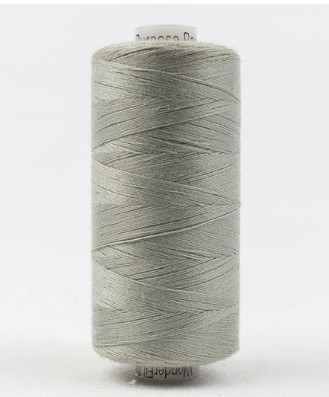
I have observed that a cotton thread is not stretchy enough. It breaks easily when stretched. So, choose a polyester thread for sewing with a regular domestic machine.
I suggest using 40-wt all-purpose designer polyester thread. This thread is strong. But it carries little stretch. So, it is ideal for such fabrics.
4.2. Needles :
Ball Point Needle:
Always use ballpoint needles to sew such materials. Its eye should be smaller, and the scarf should be deeper. I use a set of SCHMETZ stretch needles. They are robust and can be used on highly elastic knits containing Lycra, spandex, or elastic.

Jersey Ballpoint needles have a round tip that can be pushed between knit fibres. You feel like this needle glides through the fabric instead of punching it.
It does not cut them when sewing. So there are no holes, runs, or skipped stitches when you use these needles.

A Stretch Needle:
A stretch needle is useful for sewing lightweight, delicate, or tightly woven fabric. It has a more finely pointed tip than a ballpoint needle.
It easily slips between the weaves of stretchy fabric instead of punching it. This needle also avoids skipped stitches and unnecessary damage to the fabric.
Twin Needle:
These needles give perfect hems. They generate two parallel top stitches with a zigzag stitch below. This allows stitches to stretch without breaking. Its finish looks like a professional coverstitch.
This needle helps to maintain elasticity and adds creativity to the overall look.
4.3. Stitch Type:
Choose the ‘stretch stitch’ or zigzag stitch of 2-2.5 width and 2.5-3 length for flexibility. A longer stitch makes the fabric easy to stretch.
Sew slowly without pushing or pulling the fabric. Use a cover stitch or serger with a cover stitch machine for sewing such fabric.
These machines allow the fabric to retain higher stretch. These coverstitches give a professional look to collars, pants, and sleeves.
If you observe that the fabric is having issues while sewing, lay a thin piece of tissue paper under it. Tissue paper provides the needed friction to add stitches. Once you finish the stitching, gently rip off the tissue paper.
Using a Woolly poly on the lower chain will keep the fabric very elastic and soft. I use SOFTLOC TEX 35 Woolly poly. It is perfect for knitted and woven fabrics as it is durable and safe to iron. I use it to sew medium to heavyweight stretchy fabrics
Use a rolled hem with soft lock for a finer finish in stitches. You get a soft edge without any threads coming outwards.

Remember This Tips Before Sewing Stretchy Fabric:
1. Get Professional Hems:
Fold the hem allowance twice to prevent loose fabric. Stitch over the raw edge using a zigzag stitch for a smoother finish.
2. Start Slow:
Use a scrap piece of fabric to test your pattern. It prevents the fabric from being pulled into the bobbin area. Once ensured, cut the scrap part before starting your seam.
3. Smooth Finishing:
Add Backstitch at the beginning and end of seams for security. It gives a finer look to stitches.
Key Takeaways:
I hope this guide on ‘how to sew stretchy fabric’ has given you essential tips. Don’t stop if you fail the first time.
Adjust tension levels and stitch types/lengths to set the right settings for stretchy fabrics.
A ballpoint or stretch needle, both will work fine on this fabric. Never pull the fabric. Let it glide with the needle. And, use the walking foot for the best results! Sewing stretchy fabric is not as daunting as it seems!
All you need is the 3Ps: Practice, Patience, and Persistence. This will help you learn to sew these materials. So, try today and let me know how you did! If you need more help, ping me via email! I will be there to guide you in detail!
FAQs:
1. Which Thread Is Needed For Sewing Spandex?
A stretchable thread, like polyester or nylon, is ideal for sewing spandex. These threads are heavy-duty and do not break easily.